Let's Plan the Most Appropriate Factory Heating System for Your Factory Together!
We perform heat loss studies for your facility, calculate annual average fuel and operating costs for alternative systems, and enable you to choose the most appropriate system. Fill out the Form, Contact Our Expert Engineers!
Factory Heating Systems
Radiant Heating Systems: Efficient Comfort for Large Industrial Spaces
Heating large and high-volume industrial spaces such as factories, warehouses, and workshops requires tailored engineering solutions to ensure thermal comfort while maintaining energy efficiency. One of the most effective methods for these environments is radiant heating systems.
Unlike conventional forced-air systems, radiant heating does not heat the air directly. Instead, it warms the surfaces, objects, and people within the space by emitting electromagnetic waves from a heated surface or element. This method of heat transfer is similar to how the sun warms the Earth, through radiation.
Because radiant systems bypass the air and deliver heat directly to the occupied zone, they are highly effective in high-ceilinged spaces or areas with frequent door openings, where warm air would otherwise quickly escape. As a result, heat losses are significantly reduced, and energy savings are maximised.
In radiant heating systems, warmth reaches workers, equipment, and surfaces directly, allowing for faster achievement of comfort temperatures with lower energy consumption. Since no air circulation is created, dust and particulate movement are minimised, making these systems ideal for sensitive production environments such as electronics, pharmaceuticals, or food processing.
Why Radiant Heating?
Targeted comfort: Heats objects and people directly, not the air
Energy efficient: Reduces heat loss in large and open spaces
No air movement: Limits dust and allergen dispersion
Silent and clean: No fan noise, no air turbulence
Ideal for high ceilings: Performance is not affected by ceiling height
Radiant heating is a smart, economical, and efficient solution for industrial facilities aiming to improve worker comfort while cutting energy costs. For businesses that prioritise operational efficiency and environmental responsibility, it stands out as the optimal choice.
Save Up to 40%;
The water radiant heating system can provide up to 40% energy savings compared to other heating systems. The panels, which are hung evenly on the ceiling of the facilities, provide natural and comfortable heating in the environment.
COMFORTABLE
Provides homogeneous temperature distribution. Does not create any air current. Creates extra comfort thanks to its high radiation effect. Provides optimum comfort thanks to the high floor temperatures it creates.
IT IS SAFE
There is absolutely no risk of fire! There is no risk of flashover or explosion. There is no risk of waste gas or natural gas leakage within the space.
IT IS HEALTHY
Since no combustion gas is released into the ambient air, the ambient air is clean. Since it does not create any air current, it does not create dust and particle circulation.
Why Neoplant?
Wherever traditional heating systems are inadequate, Factory Heating Systems make a difference. In traditional systems, hot air rises and heat accumulates at the ceiling. Water Radiant Panel directly targets the working level; employees do not feel cold, a comfortable environment is created. Inefficient systems increase energy consumption and increase costs. Up to 40% energy savings with SRP eases the pocket of your business. SRP increases both morale and performance with equal and permanent heat distribution in the environment.
No Fire Risk
The surface temperatures of water radiants are much lower than gas radiants and do not pose any risk.
Energy Efficiency
Air Curtain prevents heat loss by creating an invisible air barrier!
100% Stable Heat
It provides homogeneous temperature distribution and does not create any air current.
50 years Service Life
The average lifespan of hydronic radiant panels is 50 years.
10 Year Warranty
SRP Water Radiant Panels are guaranteed against manufacturing defects for 10 years.
Works with Your Heat Waste
It can be used with renewable energy sources and waste heat.
Does not require maintenance
It is a plug-and-forget system. There are no moving parts in water radiant panels, there is no risk of failure, and maintenance and service costs are very low.
2 Year ROI Period
Your investment will be returned within two years. The same panels can be used for both heating and cooling.
Silent Operation Technology
Water radiant heating is completely silent.
Compliance with Government Incentives
It is compatible with Investment Incentive Programs. (energy)
CE Certified Systems
CE certified high efficiency and quiet motor technology!
Expert Engineering
Project-specific solution, field experienced team
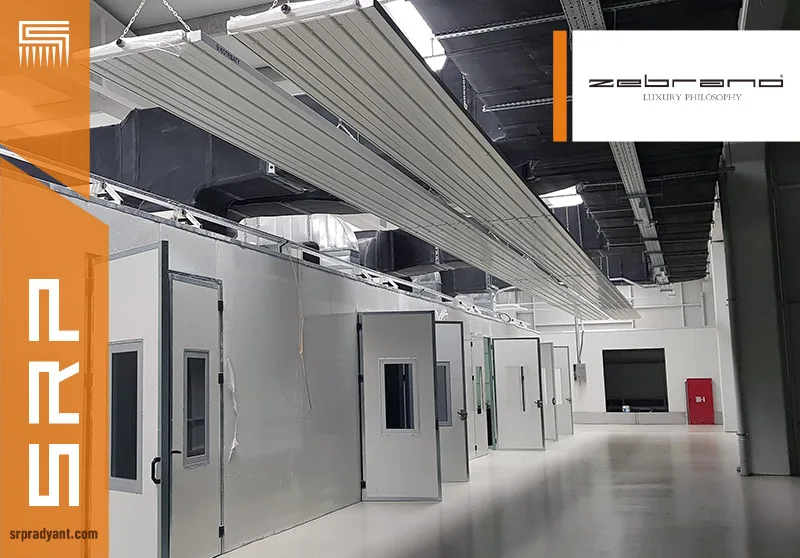
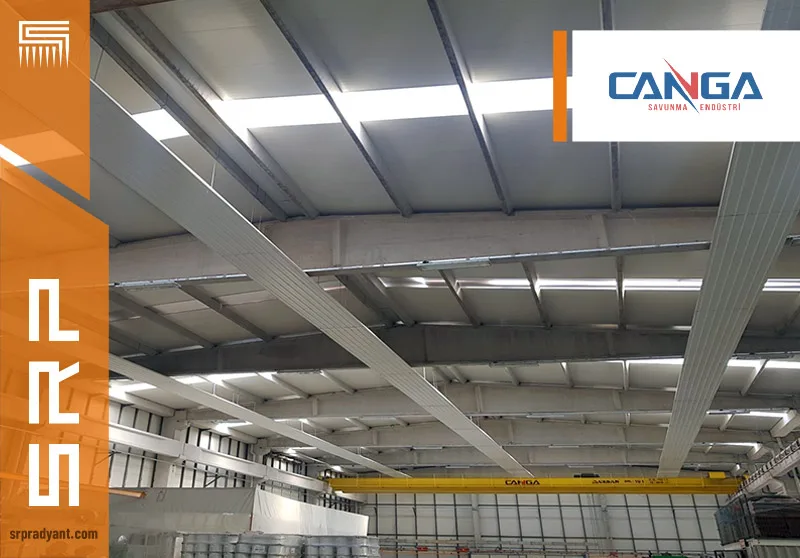
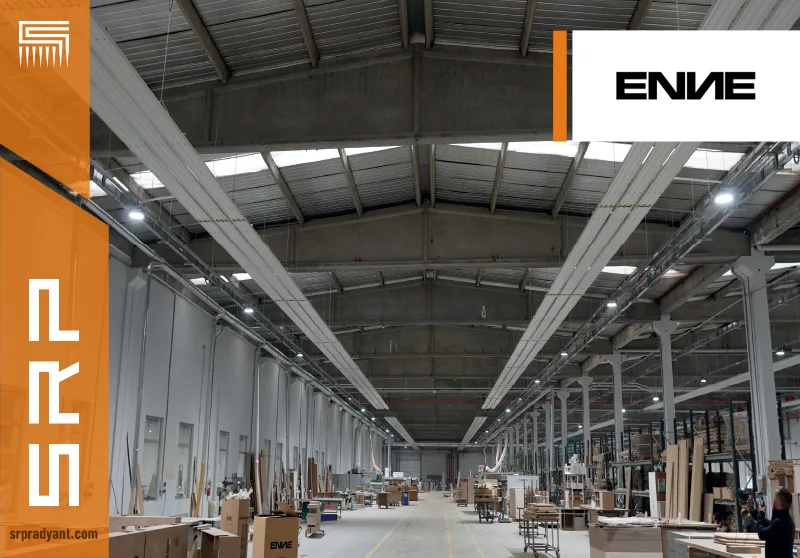
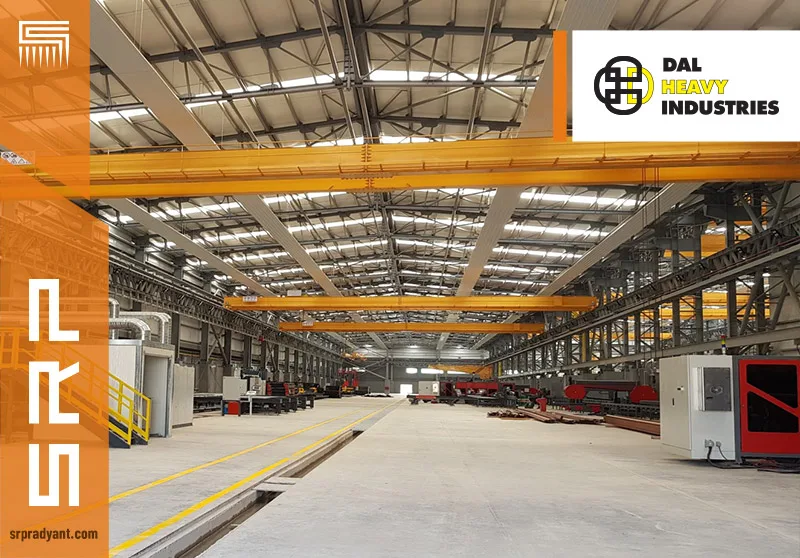
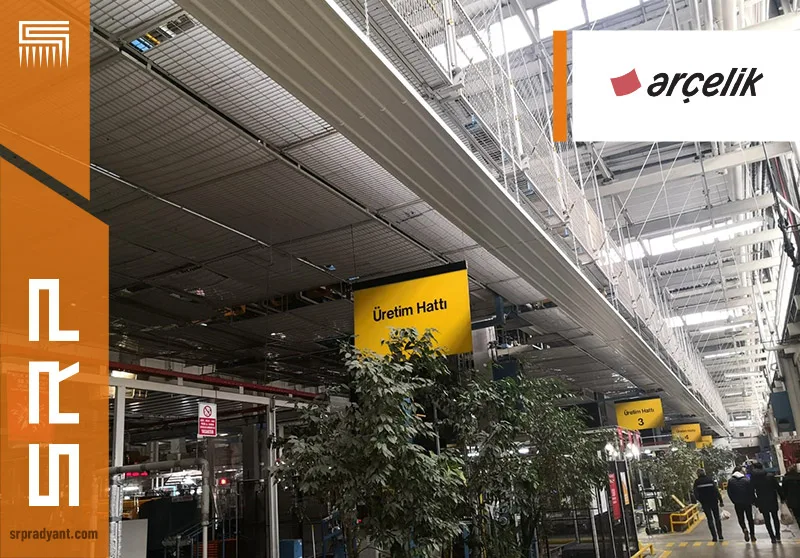
80+ Factories Achieve Heating Efficiency with Neoplant Industrial Heating Systems
Get inspired by real experiences.


Factory Heating Systems
Energy Efficiency Through Hydronic Radiant Heating
In large-volume industrial facilities, heating is critical not only for maintaining comfort but also for energy savings, employee health, and consistent production quality. Industrial heating systems must do more than just regulate indoor temperature — they must deliver performance, efficiency, and operational reliability. In this regard, radiant heating systems, particularly hydronic radiant panels, have emerged as modern, high-performance solutions.
What is Radiant Heating?
Radiant heating operates on the principle of heat transfer via electromagnetic waves from a warmer surface to cooler objects. Much like the sun heats the Earth, radiant energy heats objects and surfaces directly, rather than warming the air.
Instead of interacting with air, radiant systems directly warm people, equipment, and building surfaces. This reduces heat loss in spaces with high ceilings or frequent door activity, making them especially energy-efficient. Additionally, they operate quietly and do not generate air movement, which minimises the circulation of dust and particles — a major advantage in hygiene-sensitive production environments.
Hydronic Radiant Heating Systems: A Modern Industrial Solution
Hydronic radiant heating has been in use since the 1950s and has recently gained renewed interest due to the rising demand for comfort and energy savings. These systems are ideal for providing uniform and efficient heating in large industrial areas such as factories.
A typical hydronic radiant panel system consists of:
Precision-engineered steel pipes
Aluminium or coated sheet metal panels
Thermal insulation
Mounting and control accessories
The system circulates hot water through ceiling-mounted panels, which heat up and emit infrared radiation to surrounding objects and people. This heat is then gradually transferred to the ambient air.
Energy Sources and System Design
The hot water required for operation can be supplied by a range of energy sources, including:
Natural gas or solid fuel boilers
Electric water heaters
Heat pumps
Waste heat recovery systems
The hot water circulates through a closed-loop network, transferring energy to the panels and then returning to the heat source, maintaining continuous, efficient heat delivery.
Key Benefits of Radiant Heating Systems in Industrial Facilities
Energy Efficiency: Minimal heat loss thanks to direct heat transfer to objects
Rapid Heating: Fast attainment of comfort temperatures
Silent Operation: No noise generation within the facility
Dust-Free Environment: No air movement, ideal for clean production zones
Flexible Energy Use: Compatible with various energy sources
Low Maintenance: Long service life and minimal servicing requirements
Ideal Applications
Hydronic radiant heating systems are suitable for:
Factories and manufacturing plants
Warehouses and logistics centres
Aircraft hangars
Sports halls
Exhibition centers
They are also increasingly adopted in green building projects aiming for energy efficiency and environmental responsibility.
Future-Proof Heating for Industrial Facilities
Radiant and hydronic radiant heating systems represent the future of industrial space heating. They provide high energy efficiency, improve indoor comfort, and reduce operating costs — all while supporting sustainable production goals. Choosing the right heating system for your factory is not just a cost decision — it’s an investment in a cleaner, more efficient, and productive environment.
Keywords: factory heating systems, radiant heating, hydronic radiant heating, industrial heating solutions, energy-efficient heating, sustainable industrial climate control
COMFORTABLE
Provides even temperature distribution across the entire space
Creates no air currents – ideal for dust-sensitive environments
Operates silently, ensuring acoustic comfort
High radiant effect delivers enhanced thermal comfort
Warms floors effectively, offering superior comfort at the occupant level
ECONOMICAL
No regular maintenance or servicing required
Compatible with renewable and waste heat energy sources
Offers high energy efficiency, with radiant performance reaching up to 79%
No dependency on natural gas – can run on coal, wood chips, pellets, and other fuels
Zoned operation is possible – panels in unused areas can be shut off via motorised valves
PRACTICAL
Quick and simple installation
Fast startup time – reaches operational temperature in minutes
Suitable for ceiling heights from 4 to 40 meters
No flues or additional ventilation systems required within the building
Minimal piping needed – streamlined system design
HEALTHY
No combustion gases are released into the indoor air, maintaining clean air quality
No air movement, eliminating dust or particulate circulation – ideal for hygienic environments
SAFE
No fire risk due to the absence of open flames or combustible components
No explosion or ignition risk
No risk of gas leakage or accumulation of exhaust gases inside the building
ECO-FRIENDLY
Minimises NOx and CO₂ emissions thanks to high system efficiency
Can operate with renewable energy sources and waste heat recovery systems
COMPACT, FLEXIBLE & STYLISH
Customizable height, width, and length to suit project-specific needs
Ceiling-mounted design saves valuable floor space
Dual function: panels can be used for both heating and cooling
Minimalist and elegant design enhances architectural aesthetics
Available in custom RAL colours to blend seamlessly into any interior design
ISO 9001 - 45001 - 14001 Certificates;
In line with the goals of increasing customer satisfaction, optimizing resource use, minimizing occupational health and safety and environmental risks in all its activities, Neoplant Engineering established the Integrated Management System in 2023 and was certified by TÜV AUSTRIA with ISO 9001, ISO 14001 and ISO 45001 certificates.
Factory Heating Systems F.A.Q.
1. What are factory heating systems?
The main heating systems used in factories include radiant heating, water radiant panels, hot air blower systems, infrared heaters and central boiler systems. The selection is made according to the size of the space, ceiling height and energy efficiency goals.
2. How does a radiant heating system work?
Radiant heating systems work by directly heating objects, not the air, through infrared rays emitted from hot surfaces. In this way, energy reaches people, machines and surfaces in the environment.
3. What is a water radiant heating system?
Water radiant heating works on the principle that hot water circulating in the ceiling panels heats the panels and this heat is distributed to the environment through radiation. It is a comfortable industrial heating method with high energy efficiency.
4. What are the advantages of radiant systems in factory heating?
- Energy saving
- Fast heating
- Does not create dust circulation
- Quiet operation
- Targeted heating
- Low maintenance
5. Which is more efficient, radiant heating or hot air blowing?
Radiant heating is much more efficient, especially in areas with high ceilings, because while heat is collected at the ceiling in hot air blowers, heat is transferred directly to objects in radiant systems, minimizing energy loss.
6. What energy sources can water radiant panels work with?
These systems can work integrated with many energy sources such as natural gas boilers, heat pumps, electric boilers or waste heat sources. Energy flexibility is one of the important advantages of the system.
7. How to ensure energy efficiency in factory heating?
Energy efficiency is achieved through correct system selection, insulation of the area, automation control and appropriate placement. Radiant systems are among the solutions that provide maximum efficiency with low consumption.
8. Are radiant heating systems difficult to maintain?
There are basically two methods used in factory heating, convection heating and radiant heating. Convection heating is based on the principle of transferring heat to the desired environment by means of air movement. The most commonly used convection heating devices in the industry are appliances and air conditioning units. Radiant heating is the transfer of heat from a hot object in the same environment to another object at a lower temperature using electromagnetic wave energy. The most commonly used radiant heater types in the industry are; tubular radiant heaters, ceramic plate radiant heaters and water radiant panels.
9. How long does it take to apply radiant heating in factories?
Although the implementation period varies depending on the size and infrastructure of the factory, most systems can be installed and commissioned in a short time. Installation can be planned in a way that does not disrupt production.
10. How much energy is saved with a radiant heating system?
Depending on the correct project and usage conditions, radiant systems can provide energy savings of 30% to 50% compared to traditional heating methods.